
Gaza Families Trapped in Rubble as Collapsing Buildings Kill
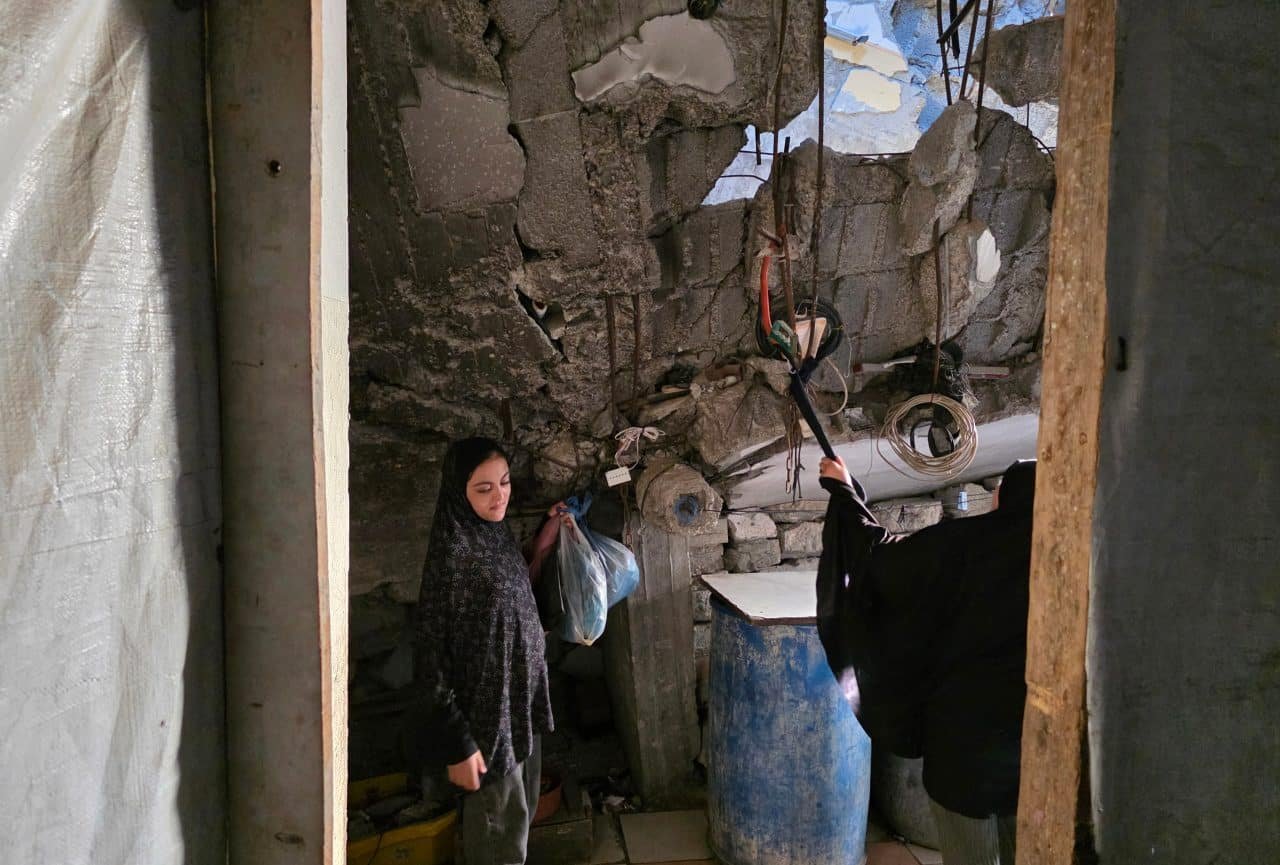
Displaced Palestinians inhabit ruined structures due to shelter shortages, facing deadly risks from structural failures and harsh winter weather.
Amr Adas retrieved his family’s clothes from the Al-Sa’ada building rubble on Wednesday. The structure collapsed before dawn, killing his wife and two children while trapping others inside the devastated site in Gaza.
Adas screamed in grief as friends steadied him against collapse. He placed items into a flour sack, wailing when he found garments belonging to Bilal, six, and Dunia, twelve. Bulldozers cleared debris nearby while neighbors offered Quranic verses for patience.
He shouted that this tragedy reflected global silence over their annihilation. Adas blamed the lack of safe shelter options for forcing families into dangerous locations. He knelt amid dust, pointing to where his children’s room once stood before the catastrophic structural failure occurred.
Two children died, but three survived with severe injuries. Adas recalled shielding his infant daughter as his wife covered the child with her body. He heard his other daughters screaming in the next room but remained pinned under concrete, unable to move or save them.
The silence following the collapse marked the harshest moment of his life. Adas expressed guilt for choosing the bombed building, noting specialists had warned of risks. However, he insisted there were no alternatives after his original home in Zeitoun was destroyed by occupation forces.
Muhammad al-Sawtari searched for belongings while his injured family recovered. He criticized international institutions for failing to provide dignified shelter before disasters struck. Khaled Shabat also lives in a ruined university building, preferring potential bombing death over the misery of living in tents.
Civil Defense spokesman Mahmoud Basal warned that winter rains will increase collapse risks for thousands. Over forty thousand Palestinians reside in more than two thousand damaged buildings. Basal described international inaction as complicity, noting rescue teams lack heavy machinery to demolish these hazardous structures safely.