
Harvard Press Book Frames Palestine Within Global Genocide History
Dana Walrath's new illustrated work links Gaza war to Nakba, analyzing dehumanization through ten historical cases of systematic destruction and displacement.
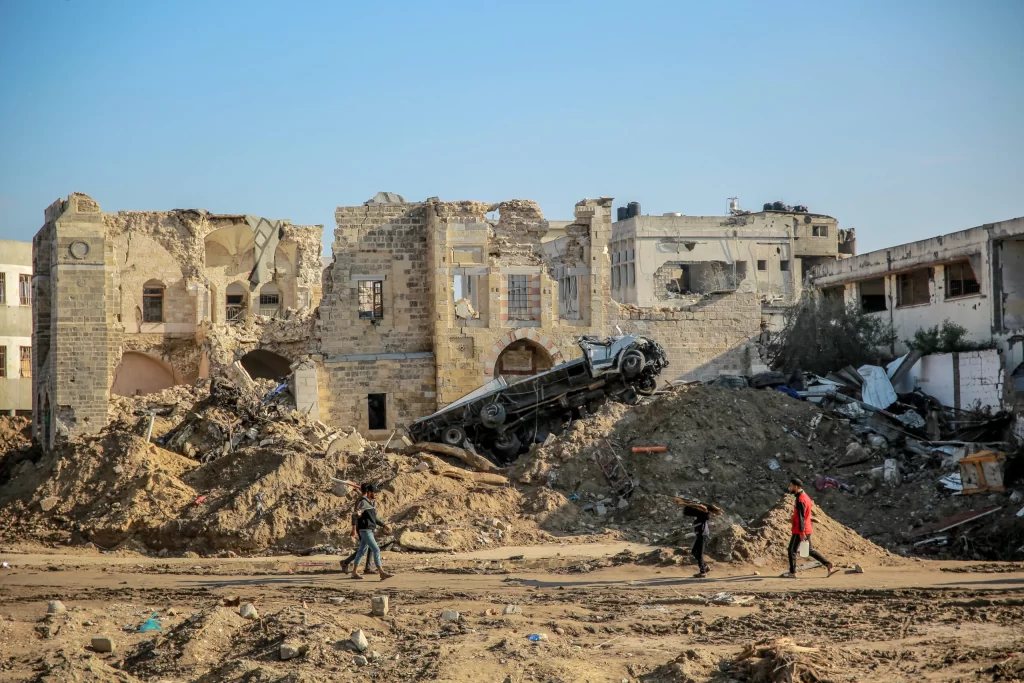
A new graphic history published by Harvard University Press places the Palestinian experience alongside some of the world’s most extensively documented genocides. The book presents this narrative from the Nakba to Israel’s current war on Gaza through a specific framework of genocide and systematic destruction.
The Book of Genocides is written by Armenian-American writer, artist and anthropologist Dana Mashoian Walrath. It examines ten cases across five centuries by combining historical research with anthropology and visual storytelling. The work explores processes of dehumanisation that enable such widespread destruction of targeted communities globally.
One full chapter is titled The Palestinian Genocide and traces dispossession from British colonial rule to today. Walrath connects mass displacement during the Nakba with contemporary starvation and attacks on hospitals in Gaza. She argues these events form a continuous historical pattern rather than isolated recent episodes of violence.
Walrath draws on Raphael Lemkin’s work to define genocide beyond mass killing alone. She focuses on broader efforts to destroy groups’ ability to survive as distinct communities. Her analysis includes the killing of children and journalists as part of a systematic attempt to eliminate a people entirely.
The project originally placed Palestine among other conflicts but was restructured after October 2023. Walrath uses symbolic artwork where readers rearrange portrait sections to show how systems strip humanity. This major academic publication situates Palestinian suffering within a comparative global history of colonialism and land struggle.