
Ireland to Play Israel After Squad Vote Ends Uncertainty
Players voted to proceed with the fixture in Hungary despite internal discomfort and political pressure surrounding the ongoing conflict.
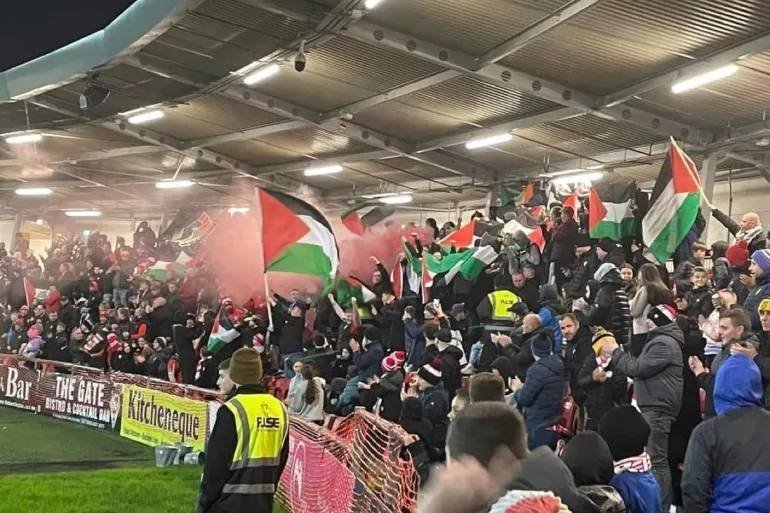
The Republic of Ireland confirmed that their Nations League match against Israel will proceed on Sunday following a decisive squad vote. The fixture in Debrecen, Hungary, faced significant uncertainty after internal discussions regarding the ongoing war cast doubt over participation. A team vote ultimately resolved the matter, allowing the game to go ahead as scheduled despite earlier delays.
David Courell, chief executive of the Football Association of Ireland, explained that a player expressed discomfort and sought withdrawal on Saturday morning. This development triggered hours of deliberation among players, staff, and executives before a final decision was reached. Courell noted that the group had previously reached a consensus to travel, but the new variable required further time and respectful consideration of all opinions presented during the meetings.
A significant majority voted to fulfill the fixtures, leading the association to confirm their participation. Courell stated that an extensive two-hour conversation occurred on Friday, followed by four more hours of discussion on Saturday. He emphasized that everyone’s right to hold an opinion was respected throughout the process. The final decision came within the last ninety minutes of deliberation, ensuring the team would compete in the scheduled international competition matches.
Head coach Heimir Hallgrimsson clarified that playing does not equate to accepting the situation in Gaza. He shared that players feel uncomfortable but are bound by competition rules. The team plans to wear black armbands and skip parts of the pre-match ceremony. They will also make a significant charitable donation to demonstrate their stance while fulfilling their professional obligations within the structured framework of the UEFA Nations League tournament.
The FAI had previously called for Israel’s ban from UEFA competitions but faced potential disciplinary sanctions for boycotting. Protests from politicians and fans influenced the decision to move the home game to Serbia. Tensions escalated when Hallgrimsson described the match as playing against genocide, drawing sharp criticism from the Israel Football Association. The second fixture is scheduled for October 4, continuing a contentious series overshadowed by the broader geopolitical conflict and humanitarian crisis.