
West Bank Settlement Plans Surge in 2026
Over eighteen thousand units advanced across occupied territories as planning activity intensifies significantly during recent months.
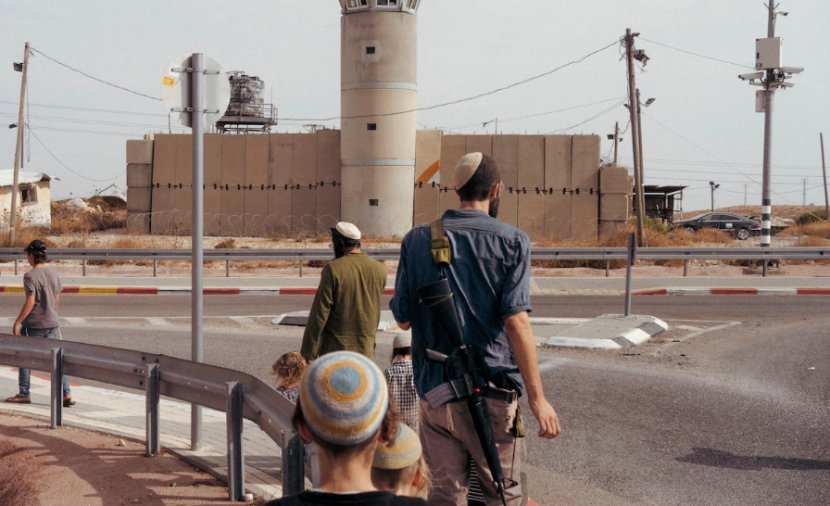
Israeli authorities have accelerated settlement planning in the occupied West Bank since the start of 2026. The Palestinian Colonization and Wall Resistance Commission reported on Sunday that thousands of additional units are now moving forward through various administrative stages across the region.
The Commission stated that one hundred settlement plans were advanced between January and September 13. These specific initiatives cover approximately twelve thousand three hundred housing units spread throughout the occupied West Bank. This data highlights a sustained push for expansion during the first nine months of the year.
In occupied Jerusalem, fifty-three additional plans covering five thousand seven hundred eighty-three units were advanced. These actions occurred within boundaries imposed by the Israeli municipality. When combined with West Bank figures, the overall total reaches one hundred fifty-three plans for more than eighteen thousand units.
Planning activity intensified further during September alone. Twelve new plans covering two thousand three hundred forty settlement units were advanced in that single month. These recent developments encompass approximately one thousand seven hundred sixty-one dunams of Palestinian land, marking a notable spike in monthly output.
Officials say these figures demonstrate a sharp increase in planning activity. The stated aim is expanding Israeli settlements and consolidating control over occupied Palestinian land. This trend reflects a broader strategy to entrench presence in the territory through systematic administrative approvals and land appropriation measures.
International law considers Israeli settlements in the occupied West Bank illegal. This legal status includes areas within occupied Jerusalem. The continued advancement of these plans occurs despite widespread international condemnation and existing legal frameworks that prohibit such construction activities in occupied territories globally.