
Israel approves 18 new settlement zones in the West Bank
The orders set the ground over which four newly approved settlements and four outposts will hold municipal powers, and push Efrat's boundary toward Khirbet al-Nahla.
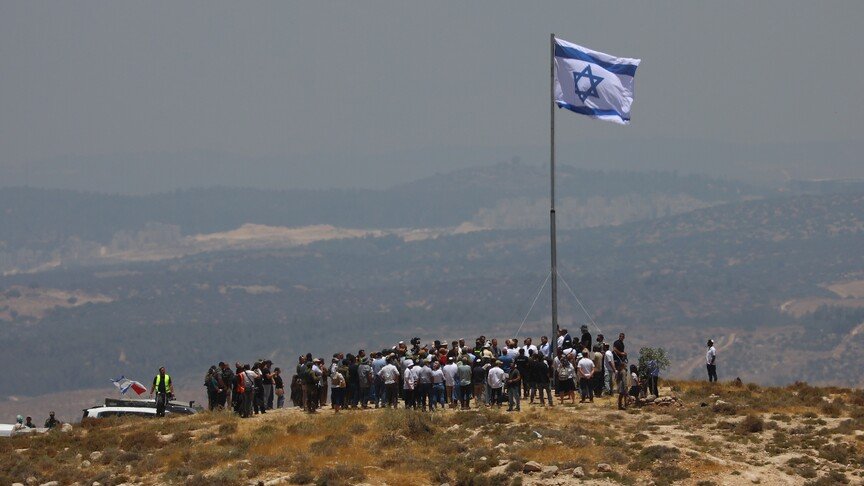
The Palestinian Wall and Settlement Resistance Commission said on Tuesday that Israeli authorities had approved 18 new and revised jurisdiction areas for settlements across the occupied West Bank. The orders were signed the same day by Avi Bluth, who commands the Israeli army's Central Command, and the areas themselves were drawn up by the Israeli Settlement Administration and the Civil Administration.
A jurisdiction area, the commission said, marks out the ground over which a settlement or a settlement council holds municipal and administrative authority. Signing one takes no land and issues no building permit on its own.
What it does is put in place the planning frame for everything that follows: master plans and detailed plans, roads, water, electricity and sewage lines, budget allocations and, in time, tenders for construction. Ground inside the boundary is held in reserve for building.
Palestinian-owned plots caught inside the new boundaries do not change hands either, the commission said, but they come under planning and administrative pressure that can close off building, farming and access. The designation can also be a step toward having the land declared state property later on.
Four of the areas belong to settlements the Israeli security cabinet has newly approved: Sha-Nur East, Shira, Elisha and Tzuri. Four more cover outposts that the package would turn into settlements in their own right, among them Dia, Misuot Har, Givat Adulam and Pnei Kedem. The rest widen settlements and councils that are already standing, including Efrat, Oranit and Karnei Shomron.
Three of those changes stand out in the commission's reading. Oranit's boundary now runs north past the line of Israel's separation barrier. Efrat's reaches toward Khirbet al-Nahla, the hillside Israel calls Givat HaMatos, or E2. And the revision at Karnei Shomron could clear the way for the Dorot project.
The commission counted 18 orders but names for only 16 sites. It said the gap may mean that more than one order was signed for a single settlement, or that two names were left out of the statement.