
Al-Wafaa Hospital Halts Key Services Due to Fuel Lack
The facility joins Kuwait Specialty Hospital in cutting care due to severe diesel shortages and lack of maintenance supplies.
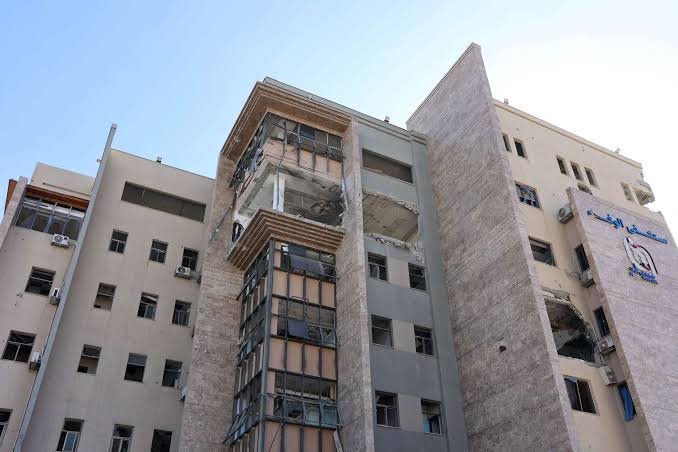
Al-Wafaa Hospital for Medical Rehabilitation and Specialized Surgery will pause several key medical offerings beginning Tuesday, September 22. This action results from critical deficits in fuel stocks and necessary maintenance items needed for daily operations in Gaza.
This development marks the second such announcement by a Gaza hospital within forty-eight hours. The Kuwait Specialty Hospital in Khan Younis had earlier stopped all non-emergency departments on September 20 after its diesel reserves were fully depleted.
Outpatient clinics, surgical procedures, physical therapy, occupational therapy, and speech services are among those suspended. Hospital management explained that preserving limited resources for inpatients and vital emergency care is the only way to sustain essential life-saving functions currently.
Gaza Health Ministry Director-General Munir al-Bursh stated that the World Health Organization ceased diesel deliveries to over twenty health facilities on September 19. He attributed this halt to a lack of funding, although the global body has not yet verified this specific claim publicly.
Medical centers depend on generators because the local electricity grid was destroyed during the war. A scarcity of diesel, lubricants, spare parts, and tires strains these power sources. Operating theaters, intensive care units, ventilators, oxygen systems, and dialysis machines face immediate shutdown risks without steady power.
The hospital also requires fuel for its transport vehicles while lacking oils and tires. It urgently called on UN agencies, donors, and humanitarian groups to provide fuel and maintenance materials. Officials warned that further cuts may occur if the supply crisis persists without intervention.
Since October 2023, more than 73,000 Palestinians have died and over 174,000 have been injured. Continuous restrictions and extensive infrastructure damage severely limit the healthcare system. Thousands of displaced individuals with serious injuries struggle to access rehabilitation and medical treatment amid the ongoing blockade.