
Siege Stunts Growth of Gaza Children Amid Severe Malnutrition Crisis
Doctors report rising cases of irreversible developmental damage as blockade restricts essential nutrition and medical supplies for displaced families.
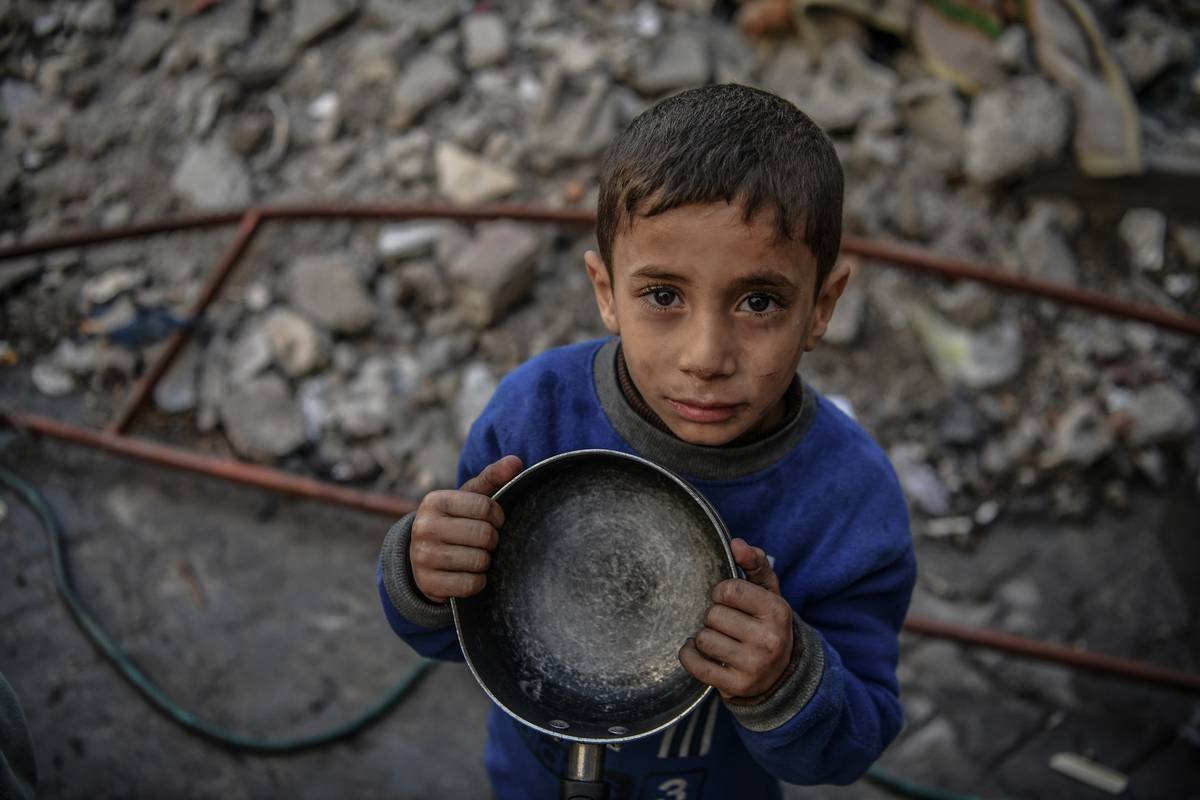
In a displacement tent near a UNRWA clinic in Khan Younis, five-year-old Tala Zidan suffers from severe stunting due to an ongoing artificial blockade on essential nutrition. Her father watches helplessly as his daughter remains underweight with no physical growth for months amid the relentless military campaign and total siege conditions.
Tala is the only daughter in a family forcibly displaced from Bani Suheila east of Khan Younis. For nearly two months her father brought her to Nasser Medical Complex where doctors diagnosed severe acute malnutrition. They referred her for urgent therapeutic care that remains nearly impossible to sustain under current restrictions.
The family resides in a fragile shelter after Zidan lost his job and sole income source. They depend on scant meals provided by community kitchens. Vital recovery foods like vegetables and protein are either missing or too expensive because aid entry is heavily restricted by the prevailing siege measures.
Tala is not the only child bearing physical scars of the ongoing assault on their community. Her nine-year-old brother Qais suffered severe physical weakness while another brother developed hydrocephalus. This condition followed a traumatic head injury when Israeli forces bombed their home in Bani Suheila during the intense military operations.
Dr. Israa Al-Najjar heads the therapeutic nutrition department at Nasser Medical Complex. She monitors a growing number of children suffering from severe developmental crises. Stunted growth is diagnosed by comparing height against international standards using growth charts. The overwhelming surge in local cases is driven directly by acute malnutrition and prolonged starvation.
Since systematic monitoring began in May the clinic documented an alarming rise in severe growth defects. It receives between two and eleven malnourished children daily. These patients suffer from wasting extreme underweight conditions advanced anemia and critical micronutrient deficiencies. Newborns are increasingly delivered at dangerously low birth weights due to maternal deprivation.
Standard treatment involves therapeutic milk and specialized diets but delivering care remains an uphill battle. The systematic blockade of medical supplies disrupts treatment protocols significantly. Displaced families stripped of livelihoods cannot afford specialized food. Doctors warn that prolonged nutritional deprivation causes permanent physical stunting and long-term cognitive impairment during early childhood development stages.