
Gaza Dialysis Crisis Threatens Kidney Patients Amid Supply Shortages
Fuel scarcity and missing medical consumables force patients to endure reduced treatment sessions while struggling with broken transport networks.
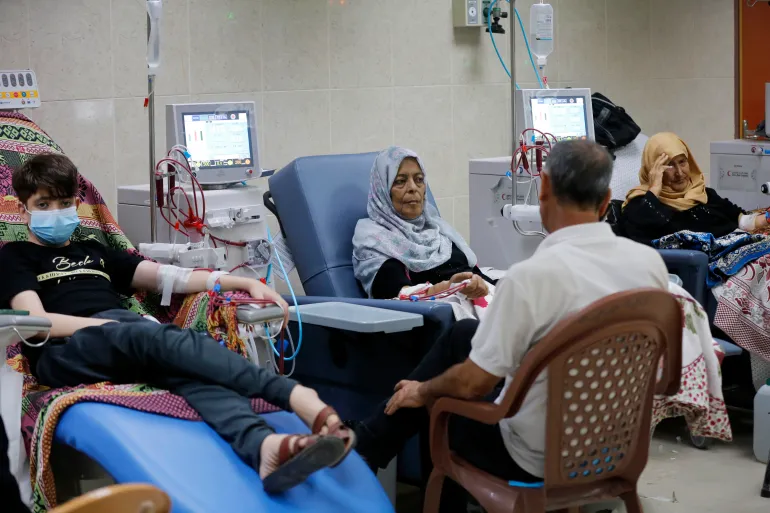
Kidney failure patients in Gaza face an exhausting struggle to reach life-saving dialysis appointments due to severe fuel shortages. Disrupted transportation networks and dwindling medical supplies have transformed routine procedures into dangerous ordeals for those depending on regular treatment at remaining hospitals.
At Nasser Medical Complex in Khan Younis, essential supplies are running critically low. This shortage places even life-sustaining treatments at significant risk. Patients who once enjoyed predictable care schedules now confront a healthcare system that is barely able to provide chronic care support.
Khairiya Shaqfa has undergone dialysis since 2004 but now faces new hurdles. She must change vehicles several times to reach the hospital. The sixty-year-old described using three different means of transportation while already exhausted by her kidney failure and other serious health problems.
The difficulty continues inside the hospital walls where session times are cut. Treatments that previously lasted three hours are now reduced to just ninety minutes. For patients whose survival depends on regular care, losing half a session is not merely an inconvenience but a threat.
Nasser Medical Complex warned on September 23 about Bibag shortages. This sodium bicarbonate product is essential for some haemodialysis systems. Dr. Raed Musleh noted that doctors have limited options when materials are unavailable. Machines cannot function without these critical consumables and necessary medical fuels.
The World Health Organization stated on September 24 that only 19 of 36 hospitals remain partially functional. None are fully operational. Essential medicines and diagnostic equipment remain scarce. People with kidney disease cannot access regular dialysis as damaged infrastructure continues to threaten patients requiring uninterrupted care.