
Gaza Electricity Crisis Costs Livelihoods and Missed Flights
Power shortages disrupt daily life, forcing residents to pay high costs for basic needs while businesses struggle with spoilage and lost income.
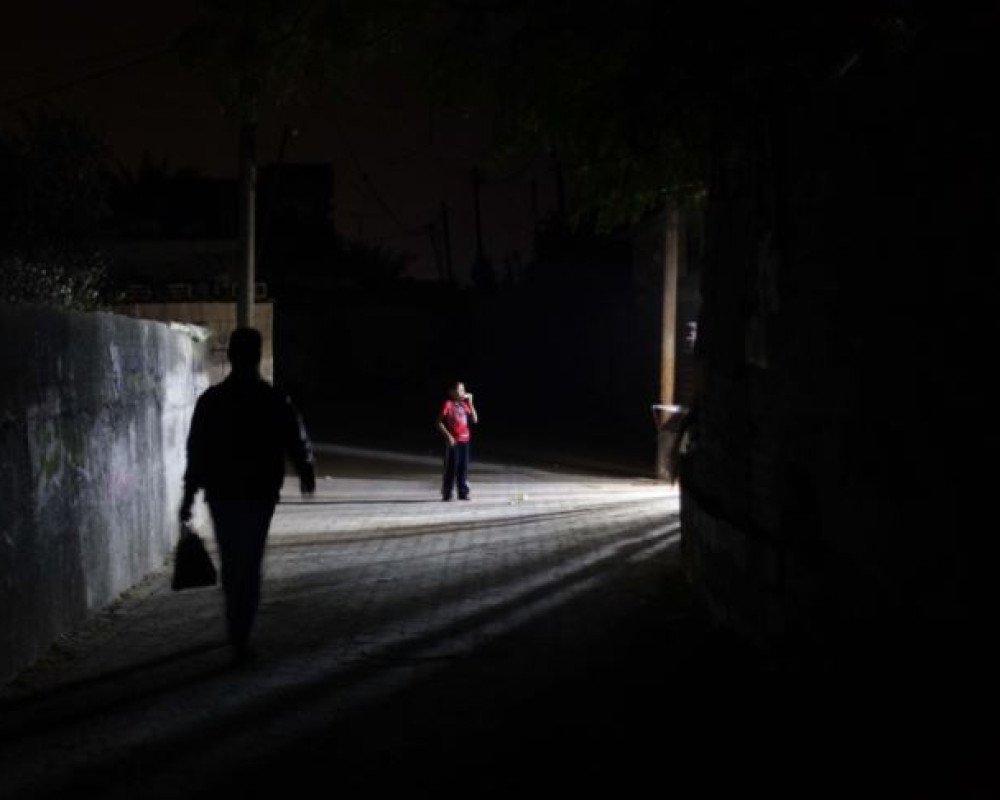
Badria Saeed missed a flight out of Gaza because her phone battery died. She could not receive instructions while charging. The thirty-seven-year-old remains stranded with her four children. Her husband left for Europe five years ago. This incident highlights how power failures alter lives drastically in the war-torn enclave.
The electricity crisis extends far beyond simple darkness for residents. Unreliable and expensive power affects work, food preservation, and study. Ahmed al-Mufti runs an ice cream shop supporting five families. His generator broke down for a week, forcing him to close. He lost both income and the joy of serving customers.
A 2025 report by the Gaza Chamber of Commerce and Industry found generator electricity costs between thirty and thirty-five shekels per kilowatt-hour. This is much higher than the pre-war rate of four shekels. Diesel costs and parts shortages drive this steep increase. Even when affordable, power supply remains inconsistent and unreliable for many.
Khaled Abdeen sells frozen meat and fish under constant pressure. He races to sell stock before it melts during outages. Sometimes he sells at half price to avoid total loss. Mohannad Abu Sel, a barber, also faces daily uncertainty. His income stops completely when the generator supplying his shop fails to operate.
Medical student Shahd Saber pays five shekels an hour for study spaces. She needs electricity and internet for online university lectures. OCHA reports Gaza has lacked regular grid electricity since October 2023. Solar lamps help some households but cannot power businesses or charge phones. Power determines if students attend class or food stays frozen.