
Gaza Sewage Crisis Deepens as Treatment Plants Halt
Untreated wastewater flows into the sea daily while access to networks drops sharply.
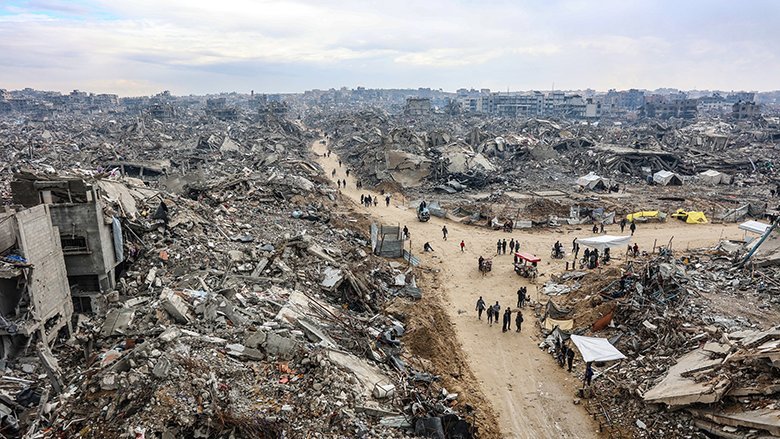
Palestinian authorities warned on Wednesday that Gaza faces a worsening sewage crisis. Tens of thousands of cubic meters of untreated wastewater are discharged into the sea or leak into the environment each day. The Israeli siege restricts fuel and spare parts needed for repairs.
The Palestinian Water Authority reported that about 55,000 cubic meters of untreated sewage are released daily. This massive volume of waste poses severe risks to public health and the surrounding natural environment. The situation continues to deteriorate under current blockade conditions.
All five main wastewater treatment plants in Gaza are currently out of service. This shutdown has reduced the territory’s sewage treatment capacity from about 185,000 cubic meters per day to virtually zero. The lack of operational facilities exacerbates the growing environmental hazard significantly.
Access to sewage networks for the population has fallen dramatically in recent times. The proportion of residents with access has dropped from more than 85% to about 45%. This decline leaves nearly half the population without proper sanitation infrastructure or reliable waste disposal services.
The Israeli blockade restricts the entry of fuel and essential maintenance equipment. These restrictions prevent operators from repairing or maintaining the sewage system effectively. Without these critical supplies, the infrastructure remains broken and unable to process the daily waste volume.
This sewage crisis adds another layer to Gaza’s broader humanitarian emergency. Widespread destruction of basic infrastructure has severely reduced access to essential water and sanitation services. Palestinians face compounded challenges amid the ongoing Israeli genocide and strict siege measures.
The discharge of untreated waste threatens both marine ecosystems and public health. Authorities emphasize the urgent need for fuel and spare parts to restore operations. Without immediate intervention, the environmental and health consequences will continue to worsen for the population.