
Study: Parks Used to Alter Palestinian Land Identity
Research paper argues green spaces obscure village remains and reshape historical memory in occupied areas.
The Al-Quds International Foundation published a research paper examining how forests and parks are used to alter the geography and identity of Palestinian land. Authored by Ali Ibrahim, the study analyzes tree planting projects across occupied areas.
Titled Green Judaization, the paper examines political dimensions of landscaping. It argues that the Israeli occupation incorporates forest creation into policies aimed at reshaping Palestinian land through legal seizure and physical transformation of the landscape.
The process often begins with land seizure through administrative mechanisms. It ends with physical changes that give areas a new identity while obscuring their Palestinian history. Vegetation helps hide remains of destroyed villages and landmarks.
This makes the original Palestinian landscape increasingly difficult to recognize. The paper states that what appears as natural landscape can conceal traces of communities. Forests should not be viewed solely as environmental initiatives without context.
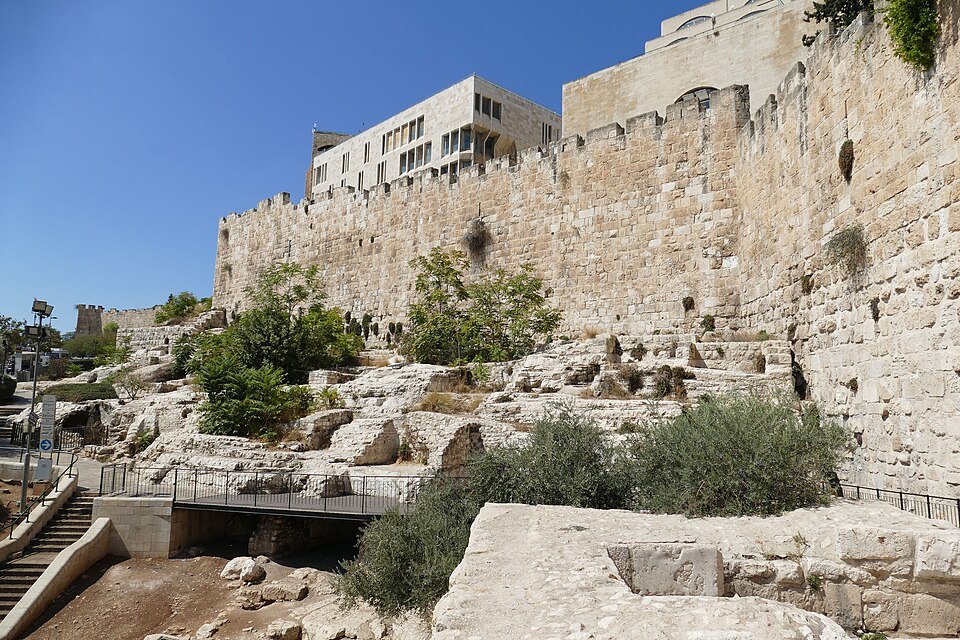
The study focuses on Jerusalem where green spaces hold political significance. It examines biblical parks around the Old City and Al-Aqsa Mosque. These spaces incorporate religious symbolism associated with the Israeli narrative and urban design.
Surrounding these sites reinforces an Israeli interpretation of history. This marginalizes the Palestinian character of the area. The foundation said documenting such practices is vital as policies changing land character continue despite ongoing regional challenges.