
WHO to halt diesel supplies to Gaza hospitals amid funding crisis
More than twenty facilities face paralysis as fuel support ends, threatening lives of patients in intensive care and operating rooms across the enclave.
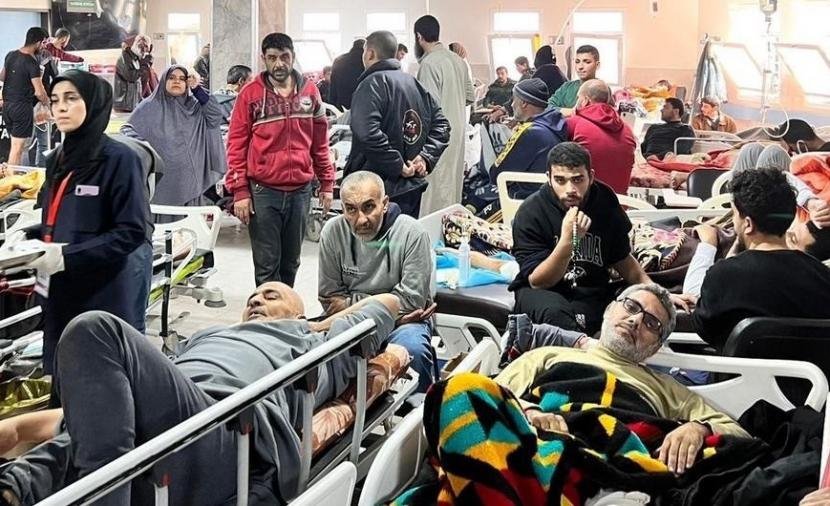
The World Health Organization will stop supplying diesel to more than twenty hospitals and health centers in Gaza starting September nineteen due to a severe lack of funding for its operations. This decision threatens to paralyze essential medical services in an enclave already struggling with critical shortages of fuel and basic supplies.
Mohammed Abu Afash, director of the Palestinian Medical Relief Society in Gaza, confirmed that over thirteen hospitals and seven health centers received notification of the suspension. The affected facilities rely heavily on this fuel assistance to operate generators and maintain essential medical departments for their daily functions.
Among the institutions facing this abrupt cutoff are Al-Ahli Arab Hospital, Al-Sahaba Hospital, Friends of the Patient Hospital, and the Public Aid Hospital. Several centers operated by the Palestinian Medical Relief Society will also suffer from the loss of this crucial logistical support for their ongoing medical activities.
Gaza Health Ministry Director-General Munir al-Bursh stated that the limited quantities of fuel currently reaching the enclave barely keep health facilities alive. He warned that the halt in supplies means generators going dark and the shutdown of operating rooms and intensive care units across the strip.
The disruption threatens ventilators and oxygen stations, putting children in incubators and dialysis patients at immediate risk. Bursh described the cutting of fuel from hospitals as silent killing of patients in their beds, emphasizing that the crisis pushes hospitals toward complete shutdown and preventable death.
Abu Afash warned that without World Health Organization funded fuel, some facilities might be forced to purchase diesel at extremely high market prices. This could lead to charging patients for services that are currently provided free of charge, further burdening a population already devastated by years of conflict.
The announcement coincides with a worsening shortage of oil and spare parts for power generators in Gaza hospitals. Several generators have already stopped working due to these lacks, exacerbating the difficulty of keeping facilities running to meet daily electricity needs amid a complete power outage.
Power generators remain the main source of electricity for hospitals to operate vital departments since October two thousand twenty three. The crossings remain largely closed, allowing only limited humanitarian aid entry, while the healthcare system faces severe pressure and the threat of total collapse without urgent international intervention.