
Gaza has 12 working oxygen stations and 4 cylinder-filling machines
A health ministry engineer puts figures to a shortage that rights monitors warned of at the weekend, and the stations still standing are running past the capacity they were built for.
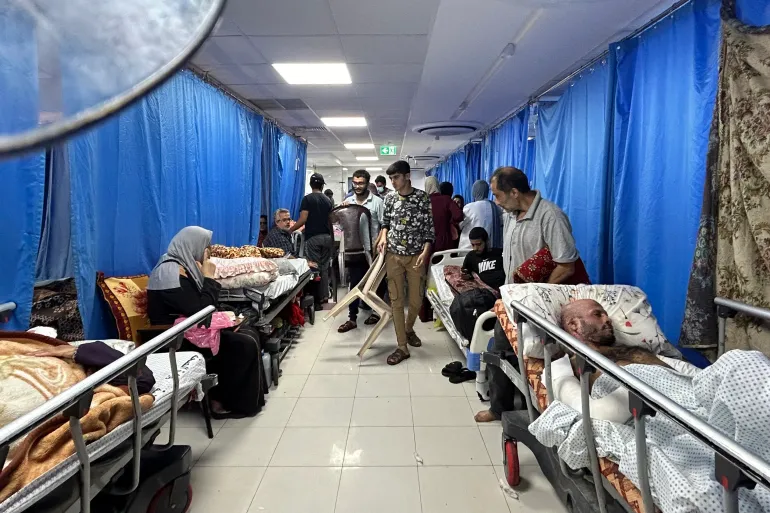
Mazen al-Arayishi, director-general of engineering and maintenance at the health ministry in Gaza, said that 12 of the Strip's 34 oxygen-generating stations are still in service and that 22 have gone out of use, leaving the rest to run beyond the capacity they were built for while mechanical faults recur.
He put the filling side lower still: 4 of 30 machines that fill oxygen cylinders are still operating.
The two figures describe different failures. A station produces the gas; a filling machine is what moves it into the cylinders that wards, field points and households rely on wherever there is no piped supply. Capacity at one end is worth little without the other, so the smaller number is the one that sets the limit.
The Palestinian Centre for Human Rights, which published the warning on Monday, tied the shortage to the destruction of health facilities and the wearing out of equipment, and said restrictions on bringing in equipment and spare parts are what keep the stations down. It said further failures would interrupt essential medical services and narrow the ability of hospitals to operate on patients.
The state of the buildings frames the figures. World Health Organization counts cited alongside them put 34 of Gaza's 36 hospitals, or 94 percent, as damaged, and 18 of them, half the total, as only partly working.
The centre called on Israel to remove the obstacles standing in front of the health system and to allow in medical oxygen, generating stations and spare parts, and asked other states to press for compliance with the provisional measures ordered by the International Court of Justice.
The health ministry gave its own warning at the weekend that the stations left standing had no spare capacity to give. What this account adds is the count, which turns a warning about strain into a number of machines that can be repaired or replaced.