
186 aid workers killed in Gaza in 2025, over half the world total
The UN humanitarian office recorded 907 aid staff killed, injured or kidnapped worldwide, the highest yearly figure held in the database, and names cheap armed drones as what has changed the risk.
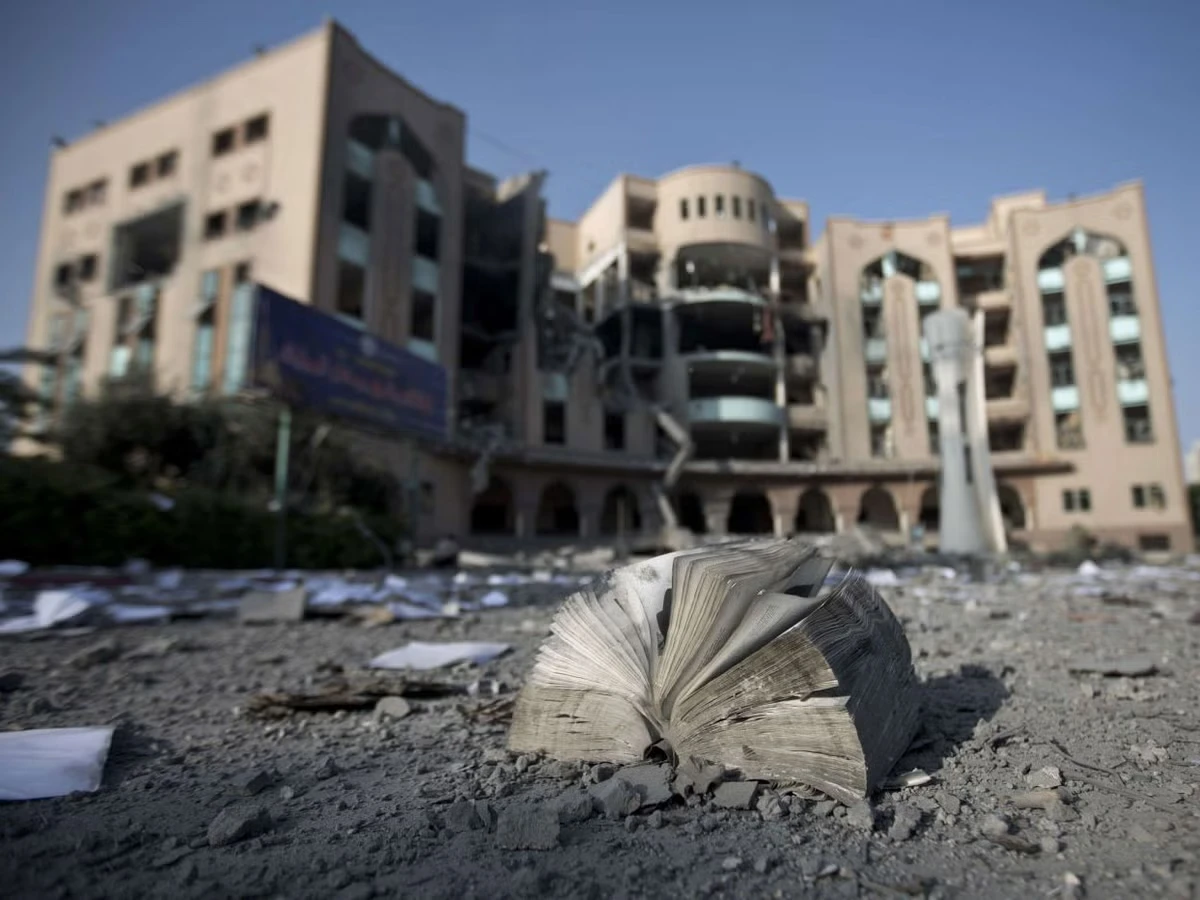
The UN Office for the Coordination of Humanitarian Affairs said on Wednesday that 186 humanitarian workers were killed in the Gaza Strip during 2025, leaving it the deadliest place in the world to do aid work for a third year running. Sudan came second, with 71.
Across all conflicts the office counted 350 aid workers killed in the year, 322 injured and 235 kidnapped: 907 people in all, the highest annual figure held in the Aid Worker Security Database, which compiles major incidents involving humanitarian staff. Deaths were slightly down on the previous year, which had itself set the record; the wider count of violence was not.
The proportion is what the Gaza figure turns on. One territory accounted for more than half of every aid worker death recorded anywhere in the world last year.
Tom Fletcher, who heads the UN's humanitarian affairs office and coordinates its emergency relief, put the three-year total above 1,000 dead and called that "utterly unacceptable". Naming it would not protect anyone, he said, and states had to apply international humanitarian law and impose real consequences on those who break it. The UN secretary-general, Antonio Guterres, described the level of violence as appalling and asked governments to respect the rules of war and hold those responsible to account.
The office singled out one thing as changing the danger: armed drones cheap enough and simple enough to adapt that a widening set of parties can fly them. It said drones caused 80 percent of civilian deaths in Sudan over the first four months of 2026, killed 80 civilians in Ukraine in April alone, and that attacks using them in Colombia quadrupled between 2024 and 2025. Four humanitarian convoys were struck in Ukraine in a single week in May, and a drone hit a residential building in the Democratic Republic of the Congo in March, killing an aid worker.
For the people at the end of a supply line, the shift is a matter of what a guarantee is worth. Convoy routes, clinics and distribution points are planned around known front lines and around notice given in advance to the parties holding them, and that arrangement assumes a small number of actors with something to lose. A weapon within reach of far more of them leaves the notice covering less of the risk than it used to.
The same tally for 2026 already stands at 39 kidnappings, 97 injuries and 82 deaths, and the funding that pays for the work is being cut at the same time. The European Commission, restating its donor commitments, said each aid worker killed is not only a private loss but a failure by other states to keep their most basic promises.