
Nauru Opens Embassy in Occupied Jerusalem
The Pacific nation becomes the ninth entity to establish a diplomatic mission in the city despite global opposition.
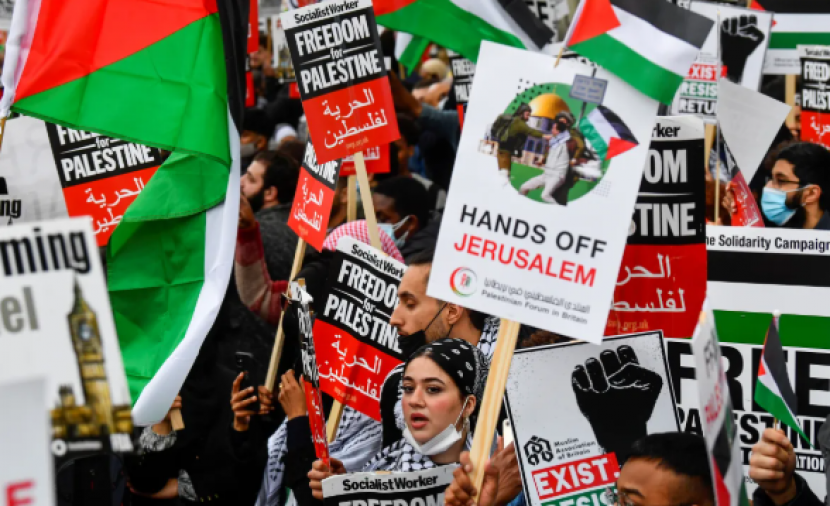
Nauru has officially opened an embassy in occupied Jerusalem on Monday. This action makes it the ninth country or entity to establish a diplomatic mission in the city. The move defies longstanding international opposition to recognizing Israeli sovereignty over occupied East Jerusalem.
The inauguration ceremony was attended by key officials from both nations. Israeli Foreign Minister Gideon Sa’ar and Nauru’s Vice President Lionel Aingimea were present at the event. The Israeli Foreign Ministry confirmed their participation in the formal opening proceedings.
Aingimea described the embassy opening as a significant strategic step for his nation. He stated that it strengthens ties with Israel while sending a clear message to the world. This declaration highlights where Nauru stands on the complex geopolitical issues surrounding the region.
Nauru is one of the smallest countries globally with a tiny population. It has only around twelve thousand residents and a land area of twenty-one square kilometers. Despite its size, the nation has taken a bold diplomatic stance that challenges established norms.
The vast majority of the international community does not recognize Israel’s annexation. Israeli forces captured occupied Jerusalem in nineteen sixty-seven and later formally annexed it. Most nations still view this move as invalid under international law and historical precedents.
Palestinians regard East Jerusalem as the capital of their future independent state. They reject attempts to consolidate Israeli sovereignty through settlements or diplomatic recognition. Establishing embassies there is seen as prejudging the city’s final status in any peace deal.
Nauru joins several other nations including the United States and Guatemala. These countries maintain embassies in Jerusalem despite widespread criticism. The decision comes as Israel seeks stronger ties with smaller states amid growing global scrutiny of its policies.
This development marks another challenge to the existing international consensus. Israel continues to seek broader recognition of Jerusalem as its capital. Critics argue this undermines Palestinian rights and complicates efforts to resolve the long-standing conflict in the region.