
One CT scanner is left in northern Gaza for a million people
The director of Al-Shifa Medical Complex puts the shortage of essential medicines at 52 percent and says 21,000 patients now need treatment that no hospital in the territory can give them.
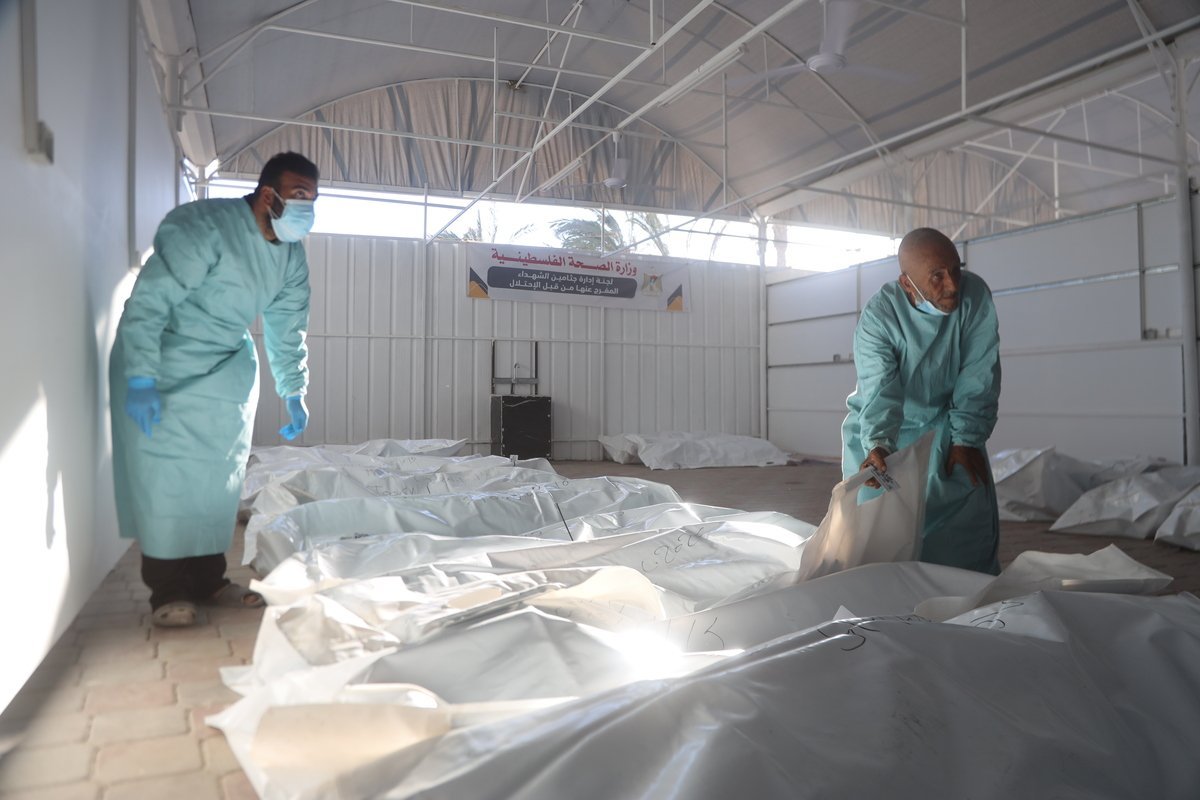
Dr Mohammad Abu Salmiya, who directs the Al-Shifa Medical Complex in Gaza City, warned on Sunday that hospitals across the Gaza Strip are running short of the medicines, disposable supplies, laboratory materials and machine parts they need to treat patients, and said the gap has widened far enough to put thousands of lives at risk.
He gave figures for each category. Essential medicines are short by more than 52 percent, medical consumables by 70 percent, and laboratory supplies by over 80 percent. More than 80 percent of the imaging equipment once installed across Gaza — X-ray machines, CT and MRI scanners — has been destroyed or put beyond repair, and a single working CT scanner is now left in the north of the Strip to serve a population of more than a million.
That matters beyond the machines themselves, because a hospital that cannot image a patient cannot decide what to do next. Abu Salmiya said around 21,000 patients and wounded people now need specialised care that is not available inside Gaza at all. Some 4,000 of them are cancer patients waiting on chemotherapy, radiotherapy or the diagnostic tests that show whether either is working. More than 10,000 are people wounded in the war who need complex surgery — orthopaedic reconstruction, neurosurgery, and operations on the heart and blood vessels.
The largest group affected is the least visible. About 350,000 people living with chronic illness are not receiving their medication on any regular schedule, among them roughly 71,000 people with diabetes who are short of both treatment and the supplies used to monitor it. Around 2,500 of those are children, who need a daily reading to know what dose to take.
Hospitals are also losing the plant that keeps their wards running. Generators break down repeatedly and cannot be repaired without fuel, oil and replacement parts, and the shortage of spare components for oxygen plants reaches directly into intensive care, the neonatal incubators, operating theatres and emergency rooms — the departments where an interruption is measured in minutes.
Abu Salmiya said the health system will slide into a deeper collapse than the one it is already in unless the restrictions ease. What has to be let in without delay, he said, is medicine, disposable supplies, fuel, the parts that keep generators turning and the parts that keep oxygen plants running. Hospitals cannot treat people properly, he said, while those things sit outside the Strip.