
Palestinian Prisoners Face Severe Neglect in Negev Detention Center
A new report details harsh conditions, medical denial, and food shortages affecting thousands of detainees held without charge or trial in Israeli facilities.
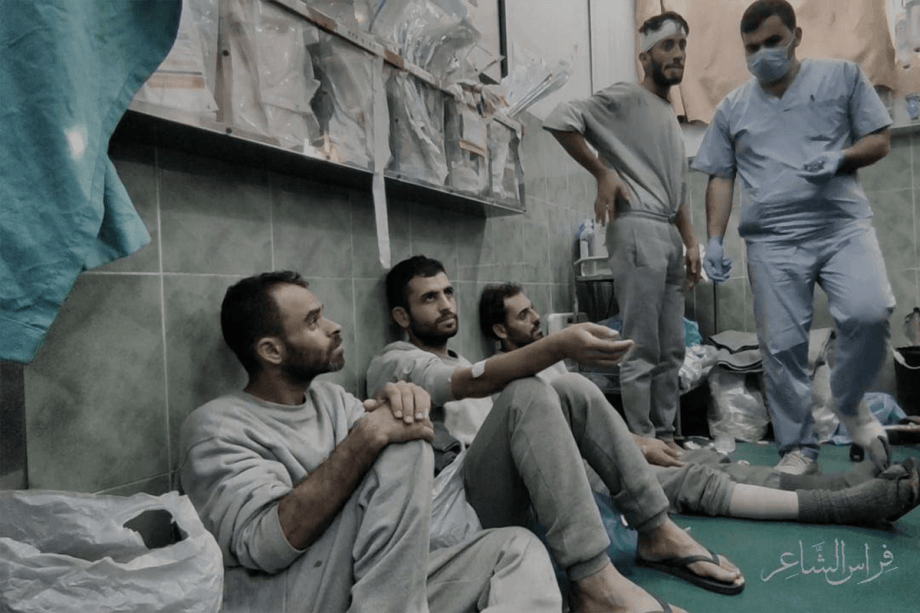
The Palestinian Commission of Detainees’ and Ex-Detainees’ Affairs reported on Tuesday that prisoners in Israel’s Negev desert prison face severe neglect. Detainees suffer from acute food shortages, medical abandonment, and worsening living standards. Some inmates have lost significant weight due to these harsh and deteriorating conditions imposed since late two thousand twenty-three.
The commission described the situation as a form of slow killing. Sick and injured prisoners are deprived of basic necessities required to sustain their health. The report emphasizes that authorities deny adequate food, medical care, and hygiene supplies. This systematic deprivation leaves vulnerable detainees at grave risk of further health collapse and potential death.
Murad Bani Odeh, a forty-eight-year-old from Tammun, exemplifies this crisis. Currently in his seventh detention period, he was arrested again in June two thousand twenty-five. He suffers from previous gunshot wounds to both legs, which required metal plate implants. Muscle weakness prevents him from standing for more than thirty minutes at a time.
Prison authorities confiscated Bani Odeh’s crutches about a month ago. They also stopped providing his essential medication and painkillers. Consequently, he has lost approximately forty kilograms due to poor-quality and insufficient food. One of his seven sons is also imprisoned in Israel’s Megiddo facility, compounding the family’s distress during this difficult period.
Thaer Bakirat, a twenty-three-year-old from Jerusalem, faces similar medical neglect. Detained since April nine, two thousand twenty-five, he has a bullet lodged in his chest. This injury causes persistent pain and breathing difficulties, yet he receives no proper treatment. Authorities provide only occasional painkillers despite his need for regular medical follow-up and examinations.
Overcrowding and scabies spread rapidly among prisoners alongside severe hygiene supply shortages. The commission noted that about nine thousand four hundred Palestinians are currently held in Israeli prisons. More than three thousand remain under administrative detention without charge. The body called for international monitoring to ensure necessary medical treatment and basic human rights for all detainees.