
Settler attacks have displaced 107 West Bank communities since 2023
Human Rights Watch says the violence is backed by the state rather than merely tolerated by it, and that the pattern may amount to forcible transfer. UN figures put settler attacks at an average of 6.6 a day.
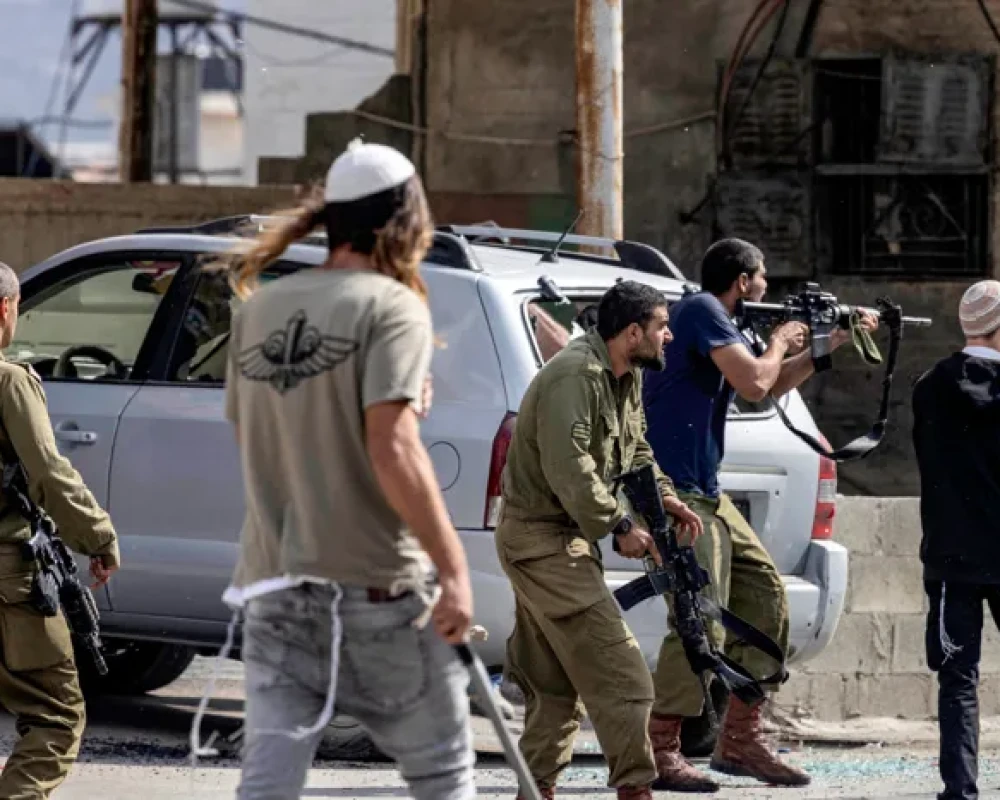
Human Rights Watch said attacks by Israeli settlers are driving Palestinians off their land across the occupied West Bank, and counted 107 communities — villages and towns among them — that have emptied in whole or in part since January 2023, over a period in which settlement building has moved faster than at any point on record.
The organisation said the attacks have grown sharper through 2026 and take several forms at once: people killed, people beaten, families frightened at night, homes and vehicles wrecked or set alight. Livelihoods are hit as directly as bodies are — livestock stolen or killed, and the routes to grazing land and to water closed off, which for a herding community is the same as being told to leave.
Its findings rest on attacks documented in seven villages in the Ramallah and Nablus areas and in the Jordan Valley, drawn from the accounts of 20 people and from video footage. Israeli forces did not reply to the questions it put to them.
Sara Sunberg, a researcher with the organisation, said Israeli authorities "do not merely fail to prevent settler violence, but facilitate it", and described the aim behind it as one of holding "as much land as possible with as few Palestinians as possible". The report records attacks carried out alongside soldiers or in front of them, with no move made to stop what was happening.
The scale is set out in United Nations humanitarian figures. More Palestinians were displaced in the first four months of 2026 than in the whole of 2025, at an average of 6.6 settler attacks a day, the highest rate yet recorded. At least 15 Palestinians, two of them children, had been killed by settlers by the end of July, which puts this year on course to pass the toll of 2023.
Behind the attackers, the report said, stands a supply line: money, equipment and legal cover from the Israeli state, including funding for drones and night-vision goggles, alongside increases in government budgets tied to settlements. New settlements are being announced and outposts built without permission are being authorised after the fact, so that ground taken by force is converted into ground held by law.
Little of this reaches a courtroom. Rights groups put the conviction rate in cases involving settlers at no more than 3 percent over several years, and say enforcement has slackened even as the violence has risen — a gap that tells a family in a targeted village what to expect if it stays.
Human Rights Watch said the practices it documented may amount to forcible transfer, which international law forbids, the Fourth Geneva Convention among its instruments. It asked other states to impose targeted sanctions on those involved, halt arms transfers to Israel, bar trade with the settlements and reopen their trade agreements, and said responsibility for the impunity extends past individual settlers to government policy and to the states that keep supporting it.