
Tehran Sets Terms for Hormuz Reopening in NY Talks
Iran demands asset release and war end as US envoys express optimism after high-level diplomatic exchanges.
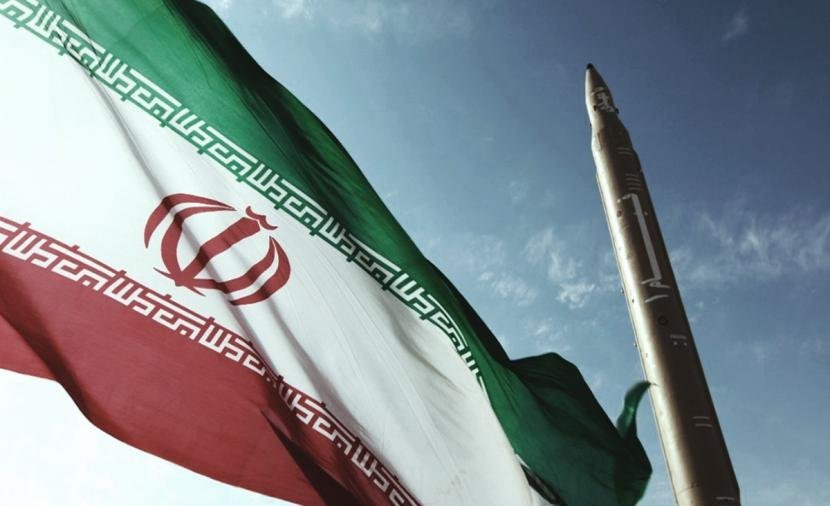
Iranian Foreign Minister Abbas Araghchi outlined Tehran's prerequisites to American representative Steve Witkoff in New York. This encounter took place alongside the UN General Assembly, serving as a direct channel for discussing the vital maritime passage.
The diplomat insisted on reopening the Strait of Hormuz after months of shutdown due to regional tensions. Key conditions involve ending the American naval blockade immediately and releasing all frozen Iranian funds held abroad without delay.
Araghchi also demanded a cessation of hostilities across all resistance fronts. Washington reportedly pushed for this meeting, while Tehran agreed only to state its requirements for restoring the maritime corridor amid ongoing strategic disputes.
President Donald Trump labeled the three-hour discussion as highly productive. He expressed confidence that an agreement is reachable, noting that his team, including Jared Kushner, held extensive talks with the Iranian delegation present.
Witkoff shared a positive outlook after the session, stating he felt good about results. Mediators may schedule further meetings in New York to revive political dialogue between the two nations amidst complex regional dynamics.
IRGC spokesperson Hossein Makki stated demands increased after a June deal collapsed. He blamed the US for violating the accord and committing offenses, arguing this justified Tehran's stricter stance in current negotiations.
Makki asserted America must accept Iranian terms, claiming victory in this conflict phase. He rejected being treated as a pawn subject to unilateral breaches. The new list includes Yemen blockade removal, absent from prior agreements.
The original June pact aimed to lift oil sanctions and end blockades. Mutual accusations caused its failure. Iran now seeks full release of twenty-four billion dollars upfront. The closed strait impacts global energy trade significantly.
Makki noted no alternative to the Persian Gulf route exists for twenty years. This push happens amid rising US economic pressure, including sanctions on airlines. Both sides prepare for further confrontations over maritime access.