
Ebola deaths in DR Congo reach 2,325 as fatality ratio climbs
The strain driving this outbreak has no licensed vaccine or treatment, and patients are still reaching care too late.
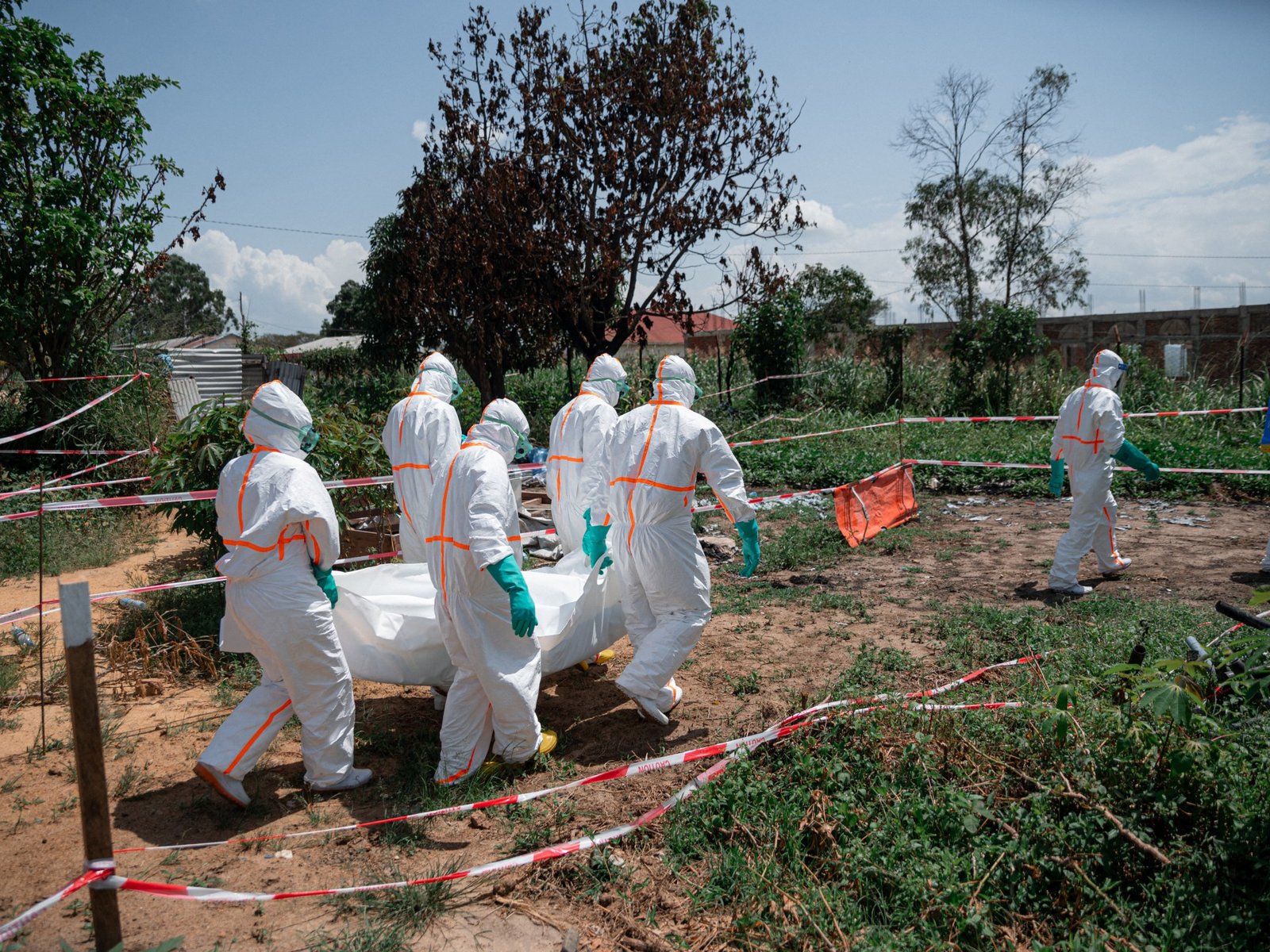
The Democratic Republic of the Congo's National Public Health Institute reported on Sunday that 2,325 people have died in the country's current Ebola outbreak, and that confirmed infections have reached 4,945, with 101 of those cases detected in a single day.
That death toll passes the 2,299 recorded in the outbreak of 2018 to 2020, making this the worst the country has known. It had already become the largest by number of cases in late July. It is the seventeenth outbreak the DRC has faced.
The share of confirmed patients who die has moved from roughly 20 percent in early June to 46 percent, meaning close to one in two people with a confirmed infection does not survive it.
That direction is the alarming part, because it should be the opposite. Thomas Parisch, a public health specialist working in the country with Doctors Without Borders, said a fatality ratio normally falls as an outbreak goes on and contact tracing improves, since patients are then found and treated sooner. What is happening instead, he said, is that infections are being picked up far too late for treatment to do much, and a number of them are recorded only once the person has already died at home.
Tom Fletcher, the UN humanitarian chief, said on Friday that no previous outbreak has grown this fast, and pressed for a response delivered with speed and scale before the virus moves further out of reach. The head of the World Health Organization, Tedros Adhanom Ghebreyesus, said on Wednesday that at its present pace it is on course to exceed the West African outbreak of 2014 to 2016, which killed more than 11,000 people and pushed the development of a vaccine.
The tools that emerged from that epidemic do not apply here. This outbreak is caused by the Bundibugyo species of the virus, for which no vaccine or treatment has been approved; a handful of experimental ones are under evaluation, with evidence so far confined to animal studies. Since the outbreak was declared on May 15, the response has been slowed by thin health infrastructure, the remoteness of the affected areas, and the conflict near the borders with South Sudan, Uganda and Rwanda.