
Gaza Children Launch Media Channel From Displacement Tents
Young presenters in Al-Mawasi use improvised studios to share their own stories and reclaim narrative agency amid war.
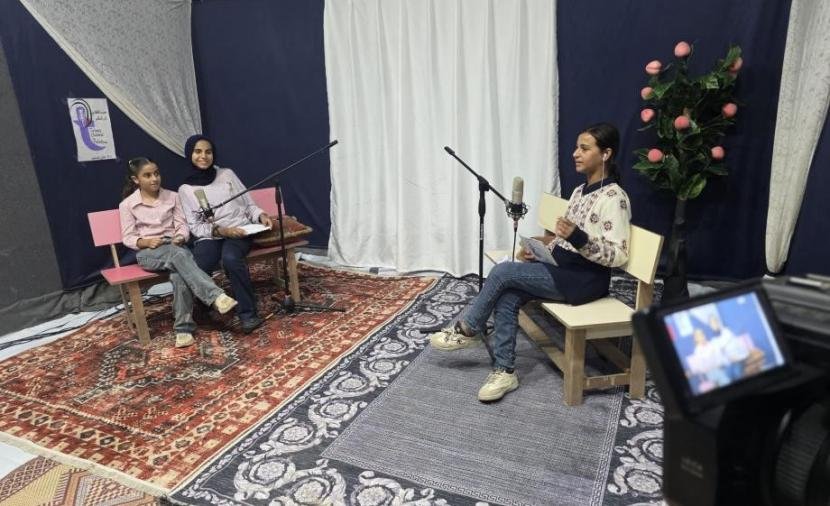
In Al-Mawasi west of Khan Younis, Palestinian children have established the Palestine Pioneers Channel. This youth-led media platform allows them to document their experiences using cameras and microphones within displacement camps in southern Gaza Strip.
The initiative presents a stark contrast to typical imagery of long queues for aid. Instead of passive subjects, these children act as presenters and technicians. They share their suffering and hopes through digital television and radio programming designed by peers.
Thirteen-year-old presenter Amal Anaba states that Gaza’s children retain hope and talent. She emphasizes that they now stand before cameras rather than food lines. Their voices carry personal narratives of resilience to global audiences instead of mere images of despair.
The project began with basic training sessions lacking formal infrastructure. Participants practiced interviewing skills using improvised objects as cameras on elevated spots. Blankets and donated items eventually transformed a modest tent space into a functional makeshift television studio environment.
Twelve-year-old Mais Al-Kurd serves as a director behind the scenes. She prepares program segments and monitors technical aspects like sound and camera work. Her role ensures that the young pioneers appear professionally while managing the limited resources available to the team.
Channel head Yousef Khattab notes the initiative provides psychological support alongside media training. Many participants have lost family members or suffered injuries during the conflict. The program helps rebuild confidence by teaching interview techniques and camera operation under harsh living conditions.
Electricity shortages limit broadcasting to two hours once or twice weekly. Earphones replace professional audio gear due to material scarcity. Twenty-nine children currently participate, with organizers aiming to connect them with peers in the West Bank and diaspora despite ongoing logistical challenges.