
Gaza patients protest blocked medical transfers for a fourth month
Some of those taking part hold approved referrals and finished travel paperwork, and say the crossings still stop them from leaving.
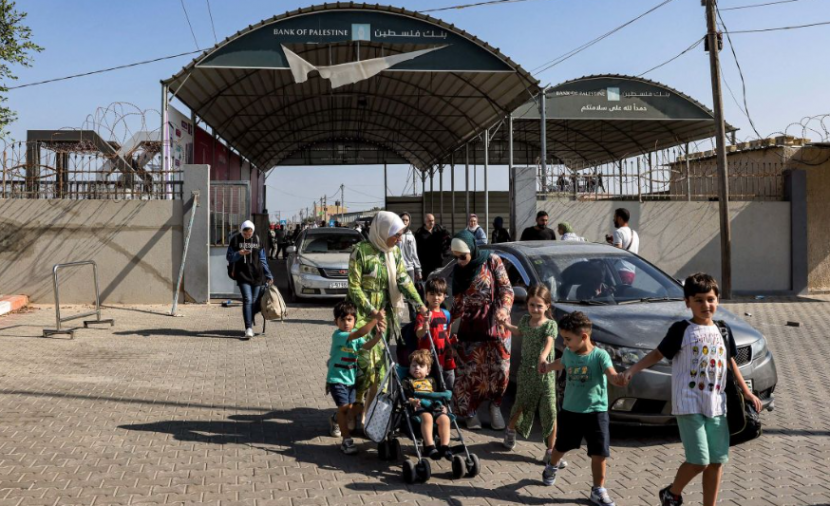
Dozens of patients and wounded Palestinians gathered inside the Nasser Medical Complex in Khan Younis, in the southern Gaza Strip, to press for the crossings to be opened to people who need medical care that the territory can no longer provide.
The protesters said the number of people allowed out for treatment has fallen while the number needing specialised care and rehabilitation keeps growing. Among those at the sit-in were people with disabilities, amputees, and patients carrying complex injuries that no facility inside Gaza is equipped to treat.
Mukhtar Abu al-Abed Abu al-Aneen, who joined the protest, said it has now run for four months and has drawn in wounded adults, children who have lost limbs, and people with serious illnesses. He said several participants had already been granted permits for treatment abroad and completed the procedures required to travel, and were still prevented from leaving at the crossings.
Mahmoud Abdel Nabi, who was wounded and has taken part throughout, said patients have spent close to four months asking for access to care without an answer, and that they had decided to stop putting their condition into words and let their injuries make the case instead. "We cannot walk, move, or deal with anything," he said.
He attended wearing a burial shroud, describing it as a way of showing how the rights of the wounded had been buried, and accused both the Israeli authorities and the World Health Organization of leaving their demands unanswered. The protesters had reached a point, he said, of "either we exist or we do not".
What the protesters are asking for is procedural rather than political: faster referral decisions and movement through the crossings for people already cleared to travel. For a patient with an advanced cancer or an infected surgical wound, the waiting itself is the injury — each month spent inside a health system without the specialised services they need narrows what treatment can still achieve.