
Rights monitor faults Israeli inquiries into five attacks in Gaza
The Euro-Med Human Rights Monitor says the army examined itself through a body answering to its own General Staff, and opened a criminal case in only two of the five files. Thirty-five people were killed in them.
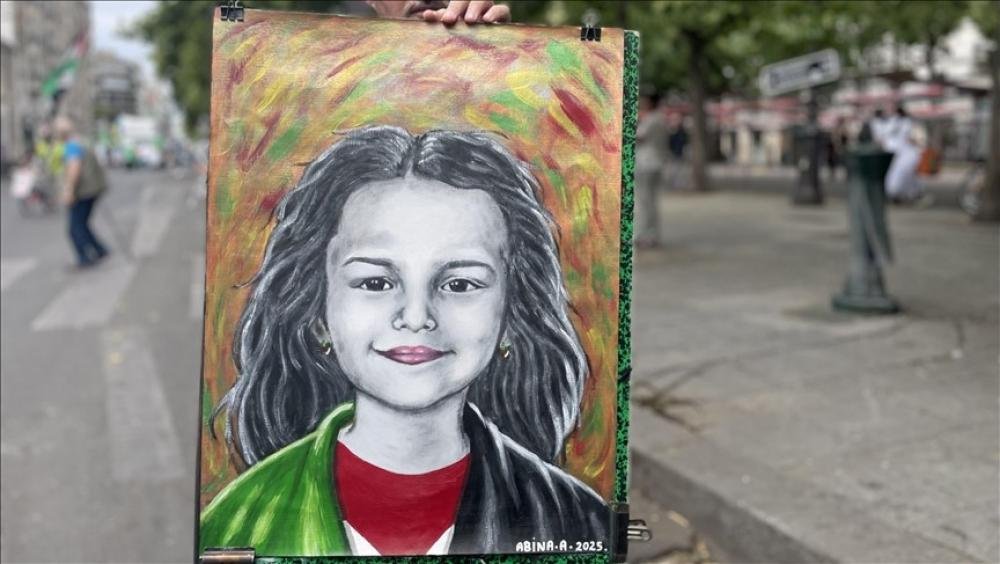
The Euro-Med Human Rights Monitor said on Friday that Israeli military inquiries into five attacks in Gaza, in which 35 people were killed, fall short of what a credible criminal investigation requires. Children, medical crews and aid staff were among the dead.
The five files it examined are the deaths of seven World Central Kitchen staff in April 2024; the killing of the child Hind Rajab, several of her relatives and the crew sent to reach her in January 2024; Tal al-Sultan in March 2025, where 15 Red Crescent and civil defence workers and a UN employee were killed; the al-Mawasi shelter of Médecins Sans Frontières, which was shelled; and fire directed at an MSF evacuation convoy in November 2023.
It said the army opened a criminal investigation in only two of them, Hind Rajab's killing and Tal al-Sultan, and turned down a criminal investigation in the other three.
Its central objection is to who did the examining. The body that carried out the reviews answers to the General Staff, the monitor said, so what it produced cannot stand as a finished criminal case — and it questioned whether a mechanism seated inside the army can weigh the army impartially where the allegations reach the level of grave breaches of international law.
In the World Central Kitchen file the army conceded that its handling had gone badly wrong but found nothing to treat as a crime. The monitor rejected that reading. The convoy was hit three times in succession, and survivors moved from one vehicle into another between the strikes, which it said should have forced those firing to check again what they were aiming at. It wants an inquiry that settles how the vehicles were identified, what orders went out, and why the attack continued after the first strike.
On Hind Rajab, it said the army's earlier position that none of its troops were near the car is at odds with technical evidence, and asked for the whole sequence to be taken together: the fire on the family's car and the attack on the ambulance sent for her afterwards. On Tal al-Sultan it said video and forensic material do not bear out the army's first account, that the emergency vehicles came towards its forces with no lights or warning signals, and it wants each round of shooting examined on its own, down to the weapons used and the orders given. It also asked for testimony about the burial of the crushed vehicles and the bodies to be looked at. In the two MSF files, it said, the conclusions leaned on assumption and passed over what survivors and the organisation itself had supplied.
Read together, the monitor said, the five cases trace one institutional path: a long internal review, a finding of operational error, and a file closed with no one charged. It asked the International Criminal Court, and UN investigators alongside it, to examine the attacks themselves, with access to the evidence and the witnesses, and to establish responsibility both for those who fired and for those who gave the orders.