
In Battir, a Roman-era water system still runs the farming season
Spring water reaches the terraces on an eight-day rota, and it needs neither fuel nor a pump.
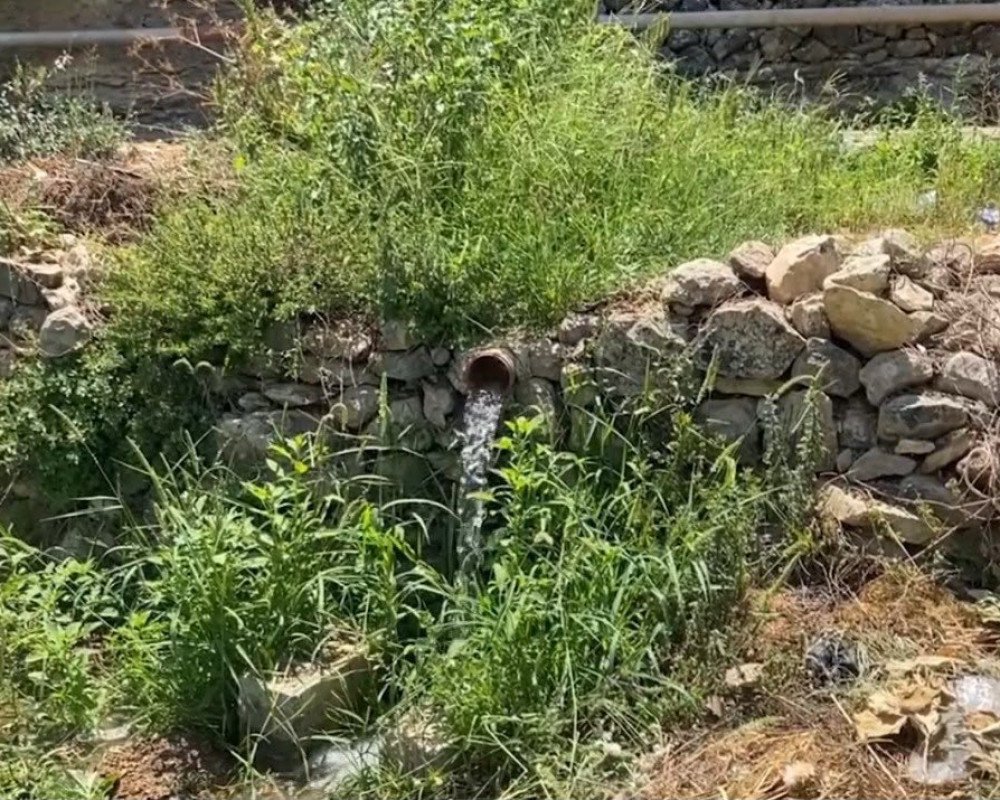
Ibrahim Aouina, a farmer in the town of Battir west of Bethlehem in the occupied West Bank, said the town's fields are still watered by an irrigation system built in Roman times, which carries spring water downhill into open collection pools.
He said families in Battir lived mainly from farming before 1948 and have gone on doing so since, drawing on the town's springs, and that water is what keeps the land from turning to desert.
The water is released to holdings on an eight-day cycle, running from morning until sunset, so each family knows which day the flow is theirs. Residents have maintained the channels and pools themselves, generation after generation.
What the terraces produce is known well beyond the town: the Battiri eggplant above all, along with zucchini, mint and molokhia, sold on to markets and villages across Palestine.
The system's usefulness now is partly that it asks for nothing. Water moves by gravity, so irrigation in Battir does not stop when the electricity does or when diesel is short — a rare description of any service on this land.