
UN Warns Gaza Remains Unsafe Despite Ceasefire
Twenty-four Palestinians were killed in recent Israeli attacks, prompting the UN to demand accountability and an end to ongoing violence.
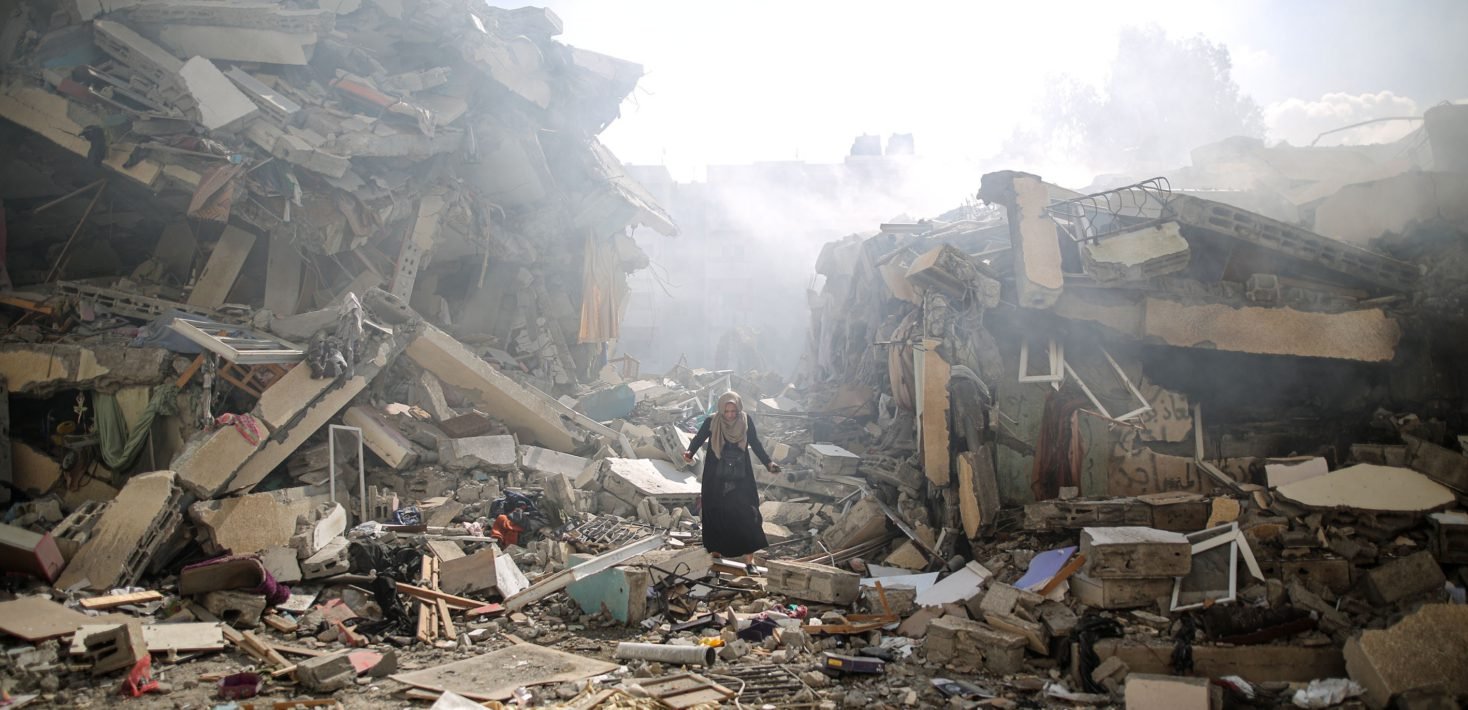
Nearly a year after a ceasefire was announced, the United Nations warns that no place or person is safe in Gaza. Persistent Israeli attacks continue to inflict heavy casualties across the besieged enclave despite the declared truce. The UN Human Rights Office reported that twenty-four Palestinians were killed in just five days between late August and early September. This ongoing violence highlights the fragile nature of the current situation and the severe risks facing civilians daily.
The victims included four children and one woman among those who lost their lives during this period. Twenty-one of the twenty-four Palestinians were killed directly in Israeli airstrikes. The UN rights office stressed that pursuing individuals considered legitimate military targets does not relieve Israel of its obligations under international law. It emphasized the duty to protect Palestinian civilians and their fundamental right to life amidst these continuing hostilities and widespread destruction.
On September first, an Israeli raid in western Gaza City killed a three-year-old girl and a thirteen-year-old boy. A thirty-one-year-old man and a forty-nine-year-old woman also died in that attack accompanied by airstrikes. The UN warned of civilian harm involving Palestinian armed elements operating with Israeli support. These specific incidents underscore the immediate danger facing families living in areas subject to frequent military operations and aerial bombardment campaigns.
The UN called for an end to the bloodshed and accountability for unlawful killings. Millions of Palestinians face critical shelter shortages and lack basic medical supplies while humanitarian access remains restricted. The agency stated that the ceasefire exists in name only as systematic violations deepen insecurity across the region. Continuous disruption of relief operations leaves the population exposed to grave risks amid widespread destruction and contaminated water infrastructure.