
Adidas Faces Boycott Over Israeli Soldier Ad Amid Gaza Crisis
Critics condemn the sportswear giant for highlighting a former soldier while Palestinian children face unprecedented amputation rates in Gaza.
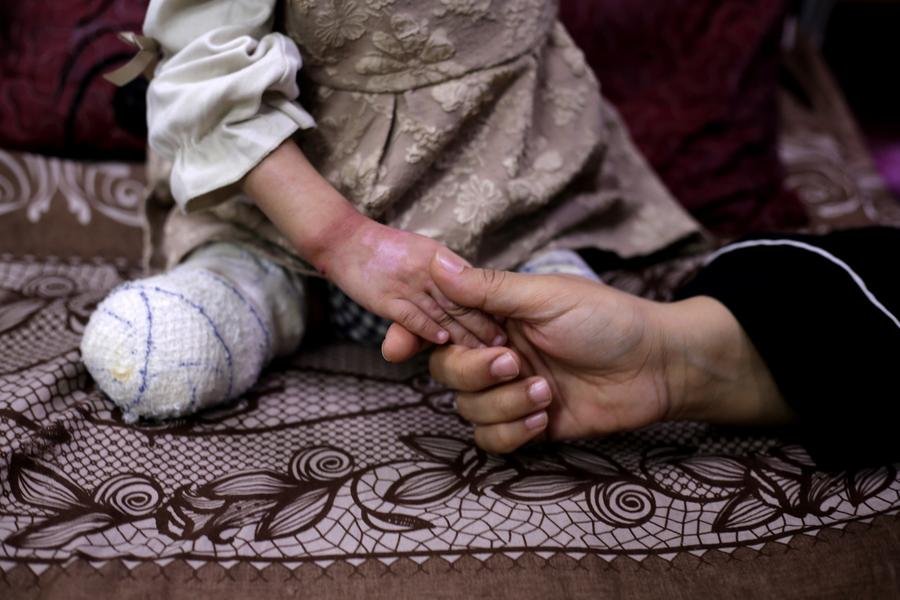
Adidas faces intense global criticism and boycott calls for featuring a former Israeli soldier in an amputee campaign. This move sparks outrage as the United Nations reports Gaza has the world’s highest per-capita rate of child amputees following devastating military attacks.
The German sportswear company selected Shalev Biton, a former Israeli soldier who lost a leg during the 2021 conflict, to promote its Single Shoe Service. The initiative allows amputees to buy one shoe at half price, aiming to support individuals with limb differences in Israel.
Critics argue this choice ignores the humanitarian catastrophe in Gaza. Thousands of Palestinians have suffered life-changing injuries, including widespread limb loss. The stark contrast between the ad’s message and the reality in Gaza has drawn accusations of a double standard from activists.
Stephanie Westbrook of the Palestinian Campaign for the Academic and Cultural Boycott of Israel called the ad an affront. She stated it normalizes Israel’s actions while ignoring the suffering of Palestinians who have lost limbs or loved ones due to ongoing military assaults.
The World Health Organization estimates that between 5,000 and 6,000 people in Gaza underwent amputations by early October 2025. Children account for a quarter of these cases, creating an unprecedented crisis that lacks parallel anywhere else in the world today.
Gaza’s healthcare system struggles to provide prosthetics or rehabilitation due to blockades. Meanwhile, hundreds of aspiring footballers have formed amputee teams. They use sport to reclaim fragments of their lives despite pain, destruction, and a severe lack of medical resources.
Prominent figures like actor Javier Bardem and author Susan Abulhawa joined the boycott calls. They highlight the disparity in representation, noting that a Palestinian model was previously removed from a campaign. Critics demand brands recognize whose suffering they choose to visibility in their marketing.